Saturday, 24 October, 2026



Suriname is a small, upper-middle-income country on the northeastern coast of South America, with a unique energy profile compared to many developing economies. More than 40–50 percent of its electricity is generated from hydropower, primarily via the Afobaka Dam, while the remainder comes from diesel and heavy-fuel-oil generators concentrated around Paramaribo. The country has substantial natural resource wealth including bauxite, gold, oil, and significant forest cover, which positions it strategically for both decarbonisation and industrial development.
Electricity access rates are high in urban areas, though remote interior regions depend on costly diesel mini-grids or small-scale solar systems. Suriname’s development plans aim to enhance grid reliability, integrate more renewables, and support industrial diversification, including energy-intensive sectors such as mining and agro-processing. The government’s climate commitment under its NDC emphasises renewable energy expansion, improved infrastructure, and reduced dependency on fossil fuels — creating a favourable environment for future hydrogen development.
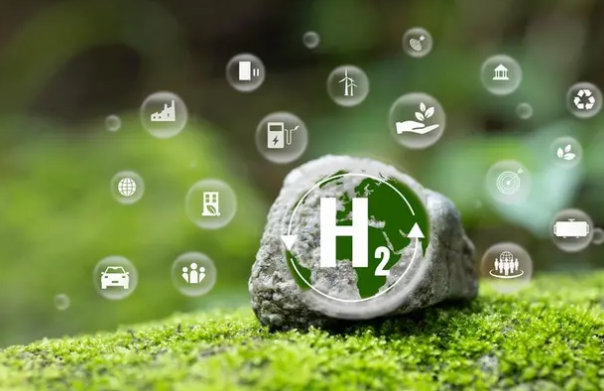
Suriname is at an early stage of exploring hydrogen. It does not currently produce, import, or consume hydrogen at commercial scale. However, Suriname has promising fundamentals that make hydrogen a possible medium-to-long-term opportunity:
Hydropower Surplus Potential - Suriname’s hydropower generation — historically supplying the aluminum industry — provides a low-carbon electricity base.
Emerging Offshore Oil & Gas Development - Recent offshore oil discoveries have increased Suriname’s strategic relevance. As global energy systems decarbonise, hydrogen and ammonia may become important for clean fuels, shipping, and refinery decarbonisation — especially if Suriname develops new refining or export facilities.
Regional Positioning - Suriname could potentially integrate with the CARICOM clean-energy agenda and future hydrogen corridors in Latin America (Brazil, Guiana Shield, Caribbean shipping routes).
Suriname currently has no hydrogen-specific policies.
Suriname has no regulatory standards at present.
Suriname has significant untapped renewable energy potential, especially compared to many Caribbean and South American peers.
Hydropower is Suriname’s backbone. The Afobaka Dam historically powered the aluminum smelter and still supplies a major share of the grid. Expansion of hydro capacity — through rehabilitation, new river sites, or run-of-river options — could create the renewable baseload needed for industrial hydrogen projects.
Suriname has strong solar irradiation across most of its territory. Solar PV is expanding, especially in remote areas where diesel mini-grids dominate. Several multi-megawatt solar projects for Paramaribo and regional centers are under development, supported by development partners including IDB and EU initiatives. A significant 5 MW solar PV microgrid with large-scale energy storage was inaugurated in the Boven Suriname region, supplying 12 remote villages and cutting diesel use by 2,200 tons of CO2 and 1 million liters of diesel annually.
Extensive forest cover and agricultural residues provide potential for biomass gasification or combined heat and power (CHP) plants — which could complement renewables for hybrid hydrogen systems.
Suriname currently has no manufacturing base for hydrogen at present.
Suriname does not currently have any announced hydrogen projects, hydrogen feasibility studies, or pilot electrolysis installations.
References: